Heritage
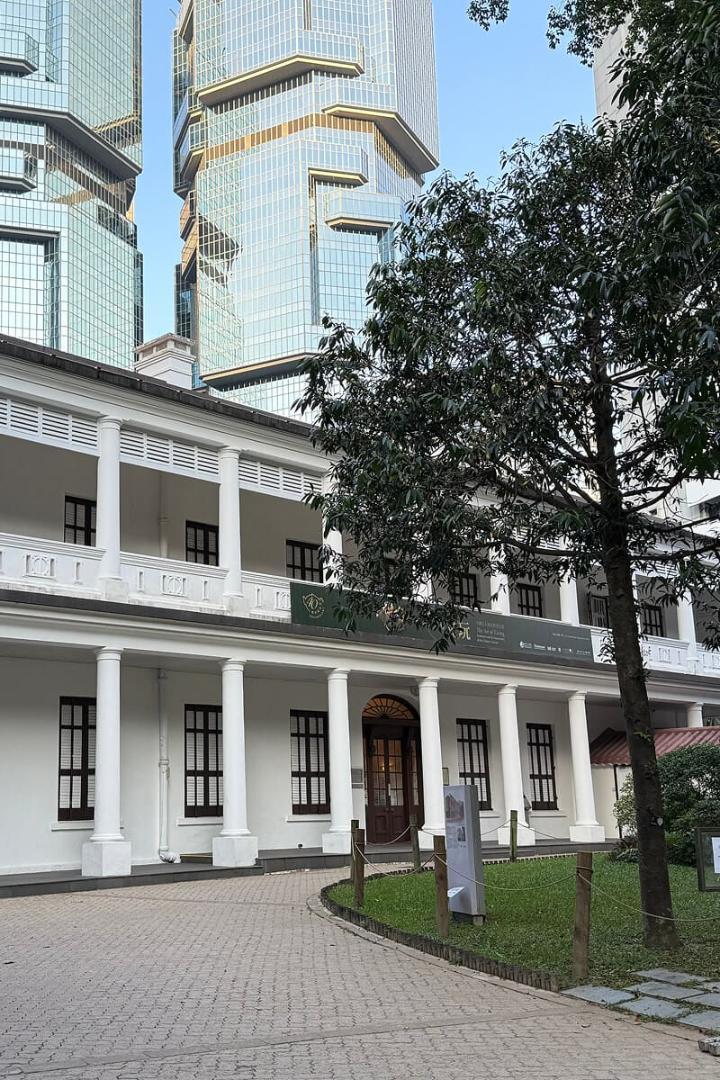
The Park has preserved a number of garrison buildings built between 1842 and 1910. The buildings included the formerly residence of the Commander-in-Chief of the British Armed Forces known as the Flagstaff House (currently accommodating the Flagstaff House Museum of Teaware), the Rawlinson House (currently accommodating the Park Management Office and the Cotton Tree Drive Marriage Registry), the Wavell House (currently accommodating the Education Centre) and the Cassels Block (currently accommodating the Hong Kong Visual Arts Centre).
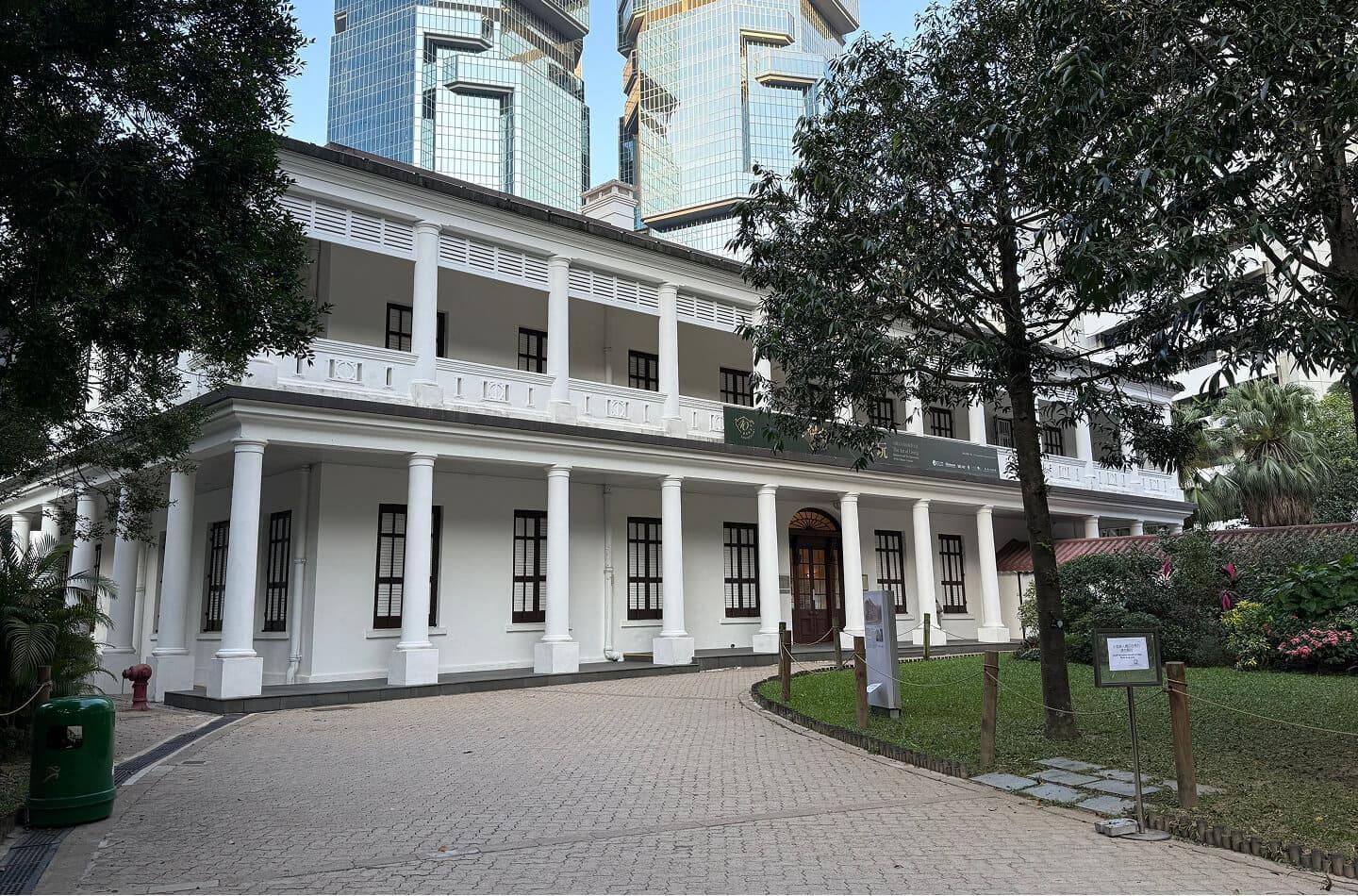
The Museum of Tea Ware occupies the heritage building Flagstaff House, also known as Headquarters House, which had served as the residence of the Commander of the British Forces in Hong Kong until 1978. Constructed between 1844 and 1846 in the Greek Revival style, this two-storey mansion stands as the oldest surviving example of western architecture in Hong Kong. Flagstaff House was designated as a monument under the Antiquities and Monuments Ordinance in 1989.
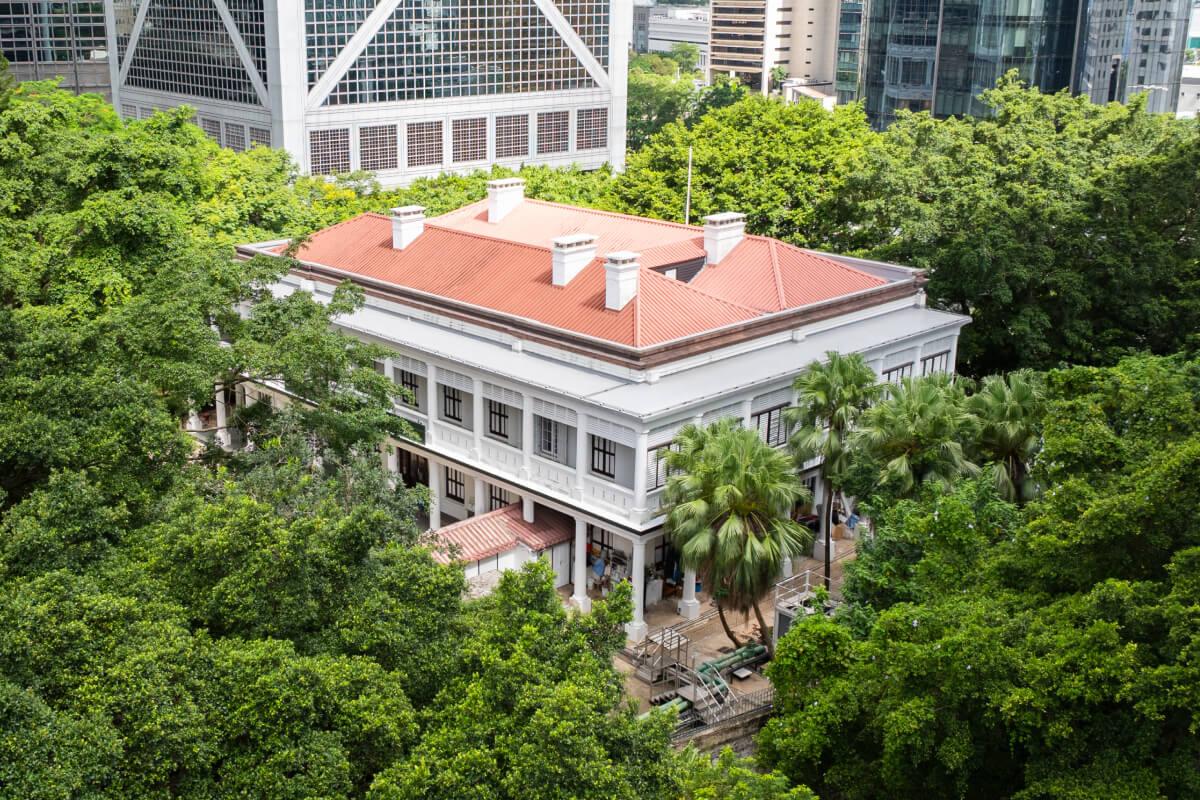
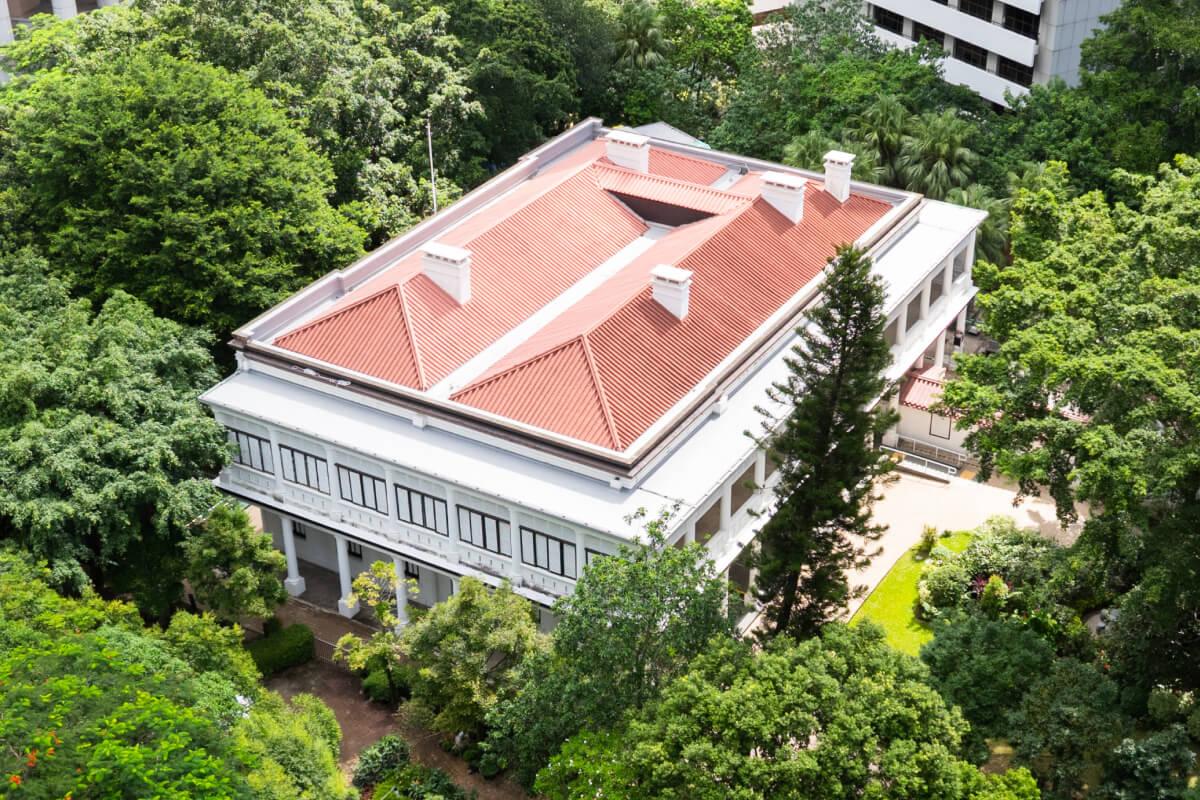
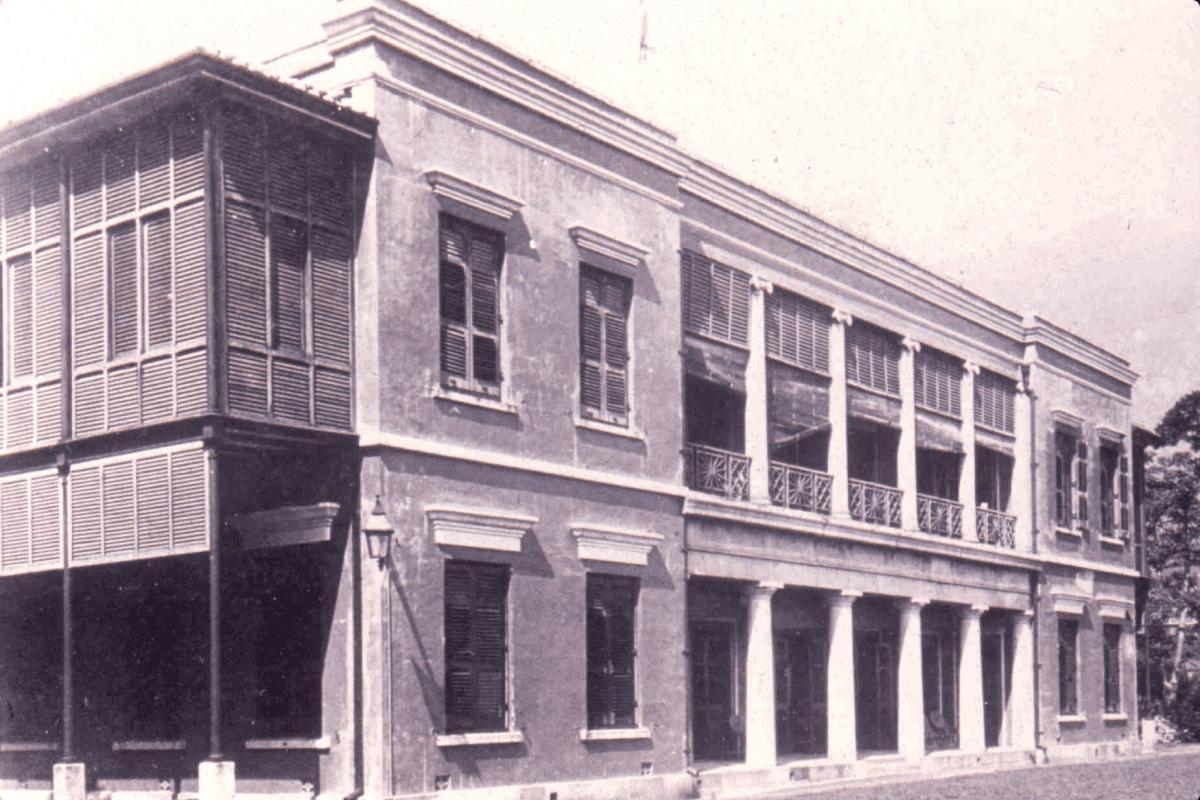
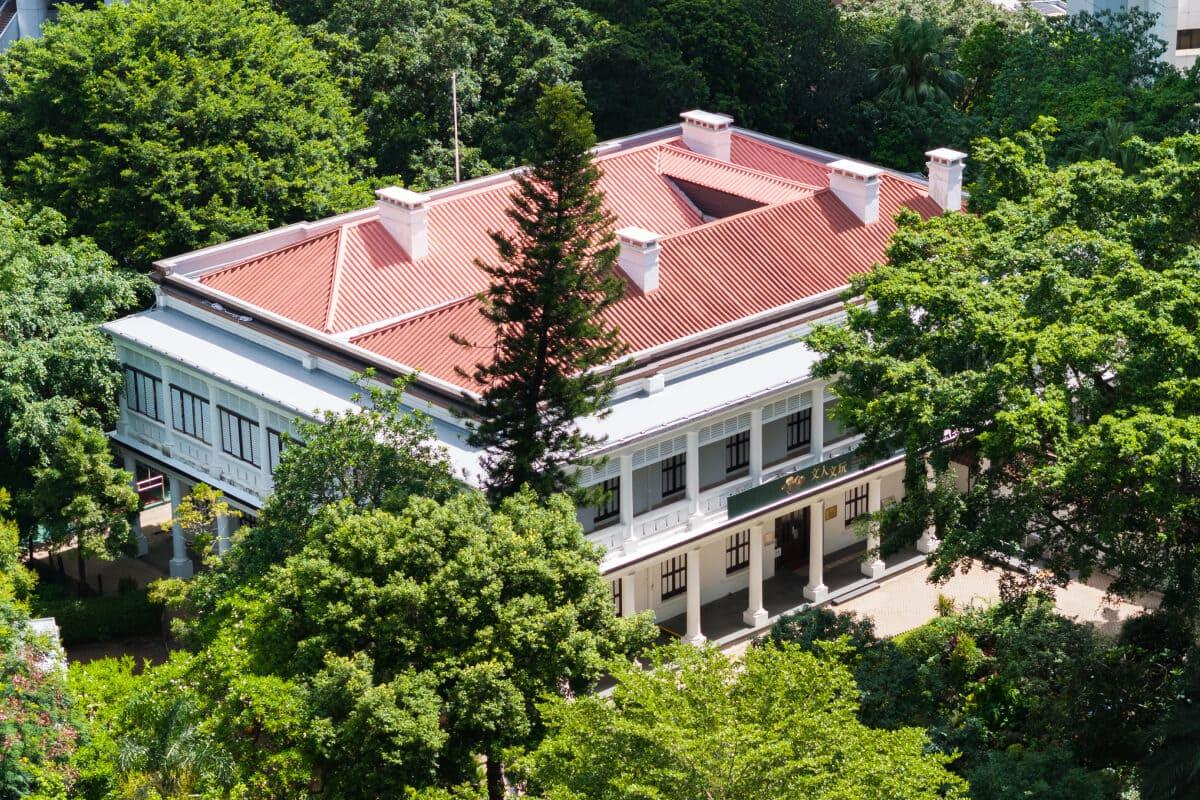
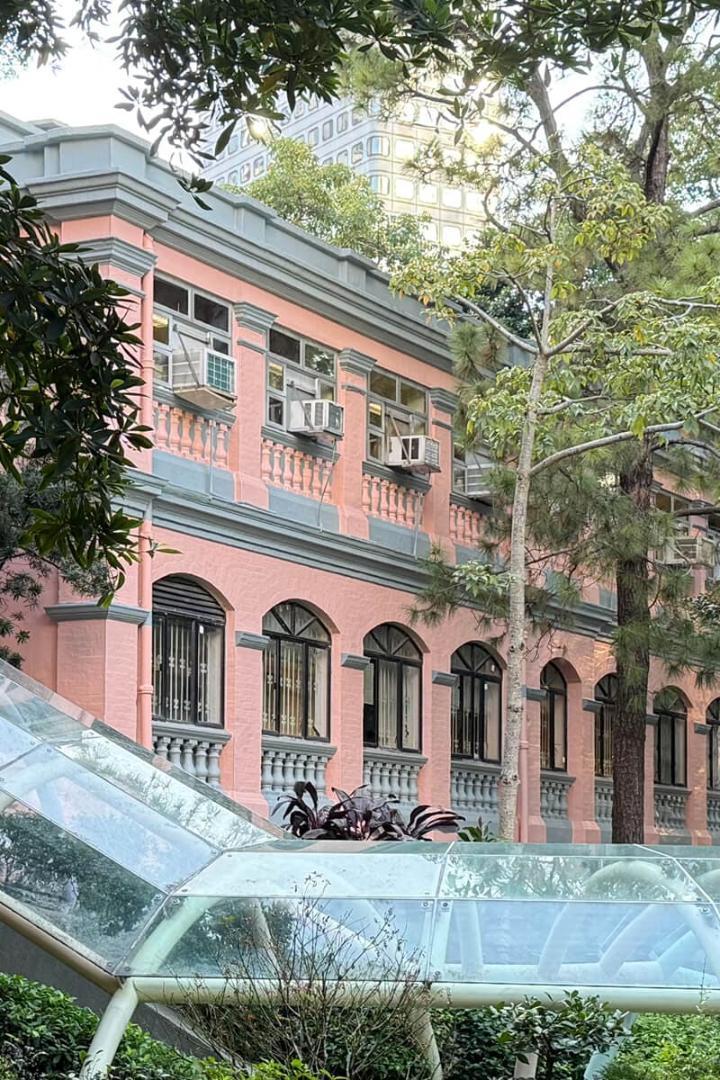
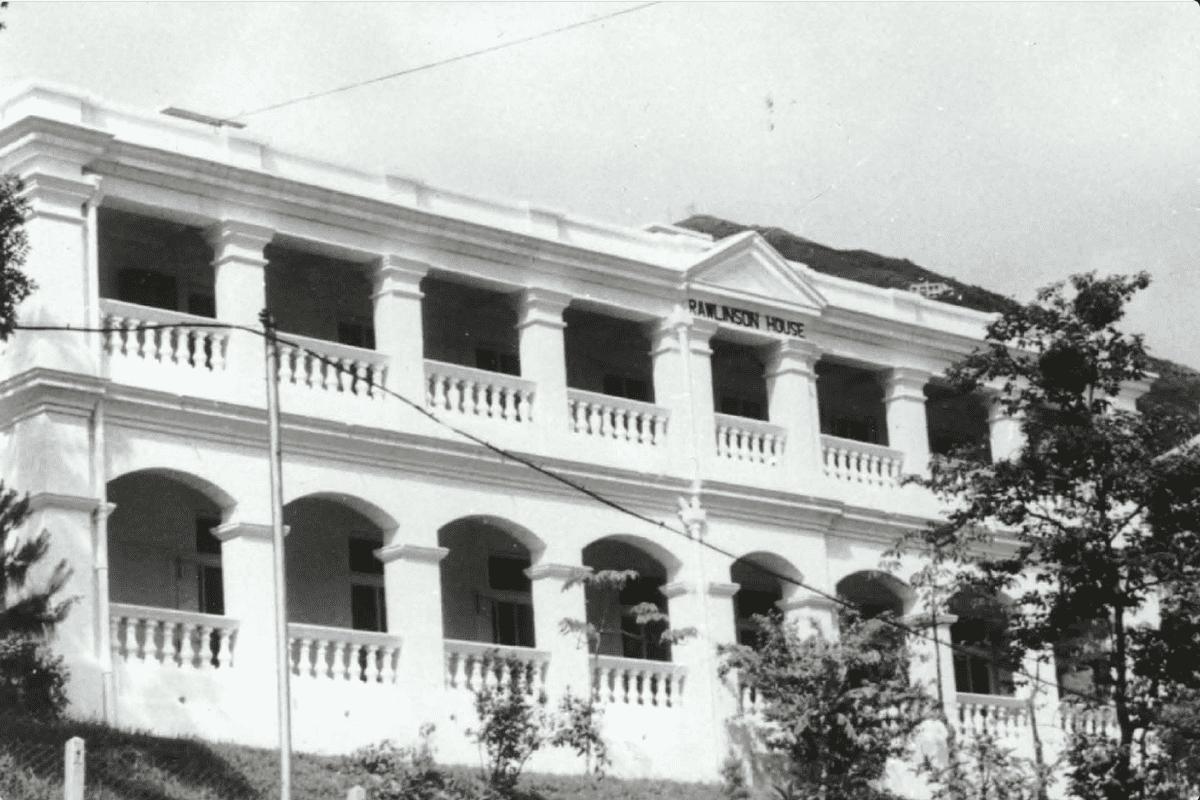
Rawlinson House was built in the 1900s as two Warrant Officer's Married Quarters. These were combined in the 1960s to provide a residence for the Chief of Staff, who was also Deputy Commander British Forces. The building was preserved in the development stage in the 1980s. The Ground Floor has been turned into Cotton Tree Drive Marriage Registry and the First Floor is now being used as the Park Management Office.
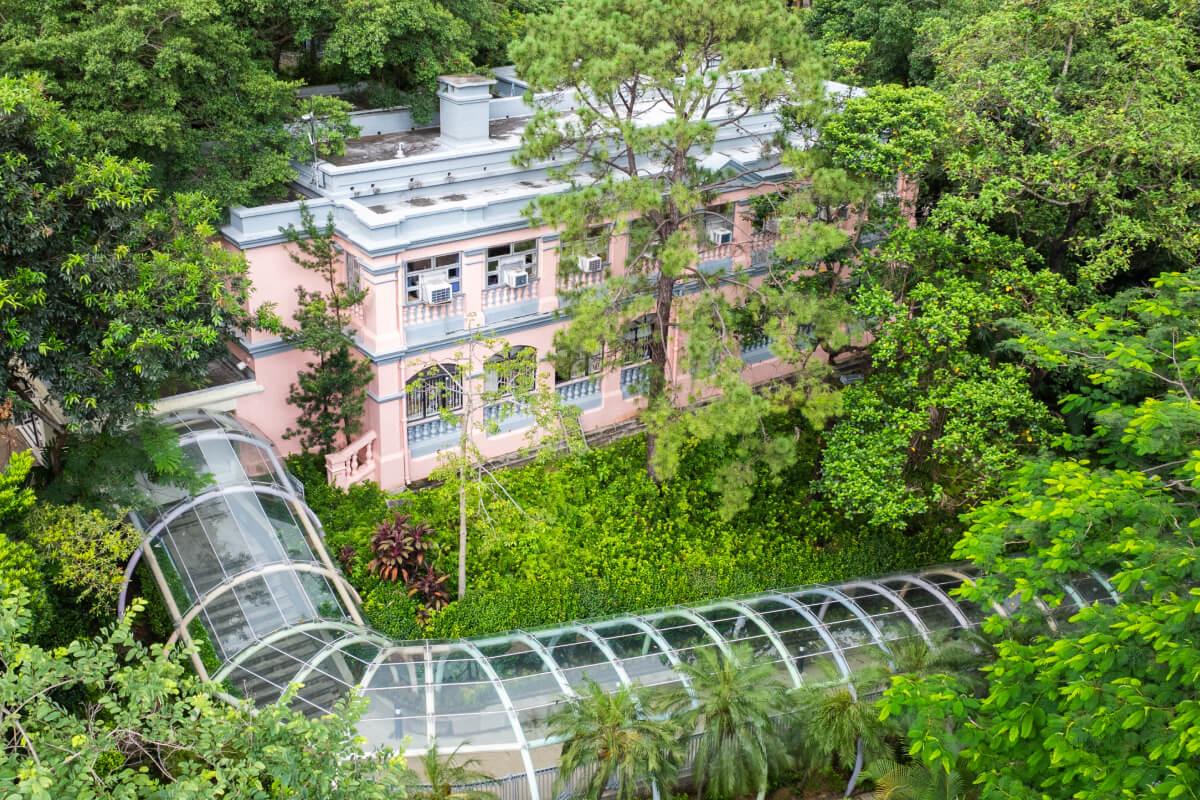
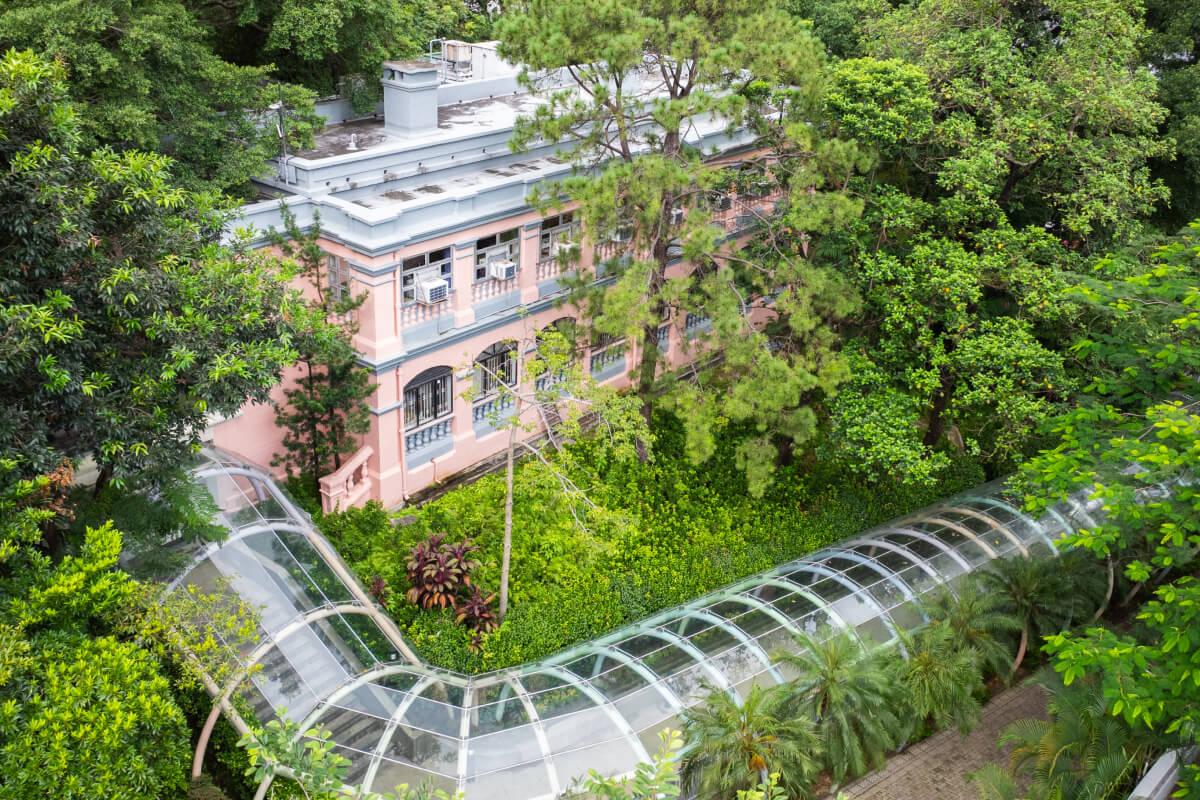
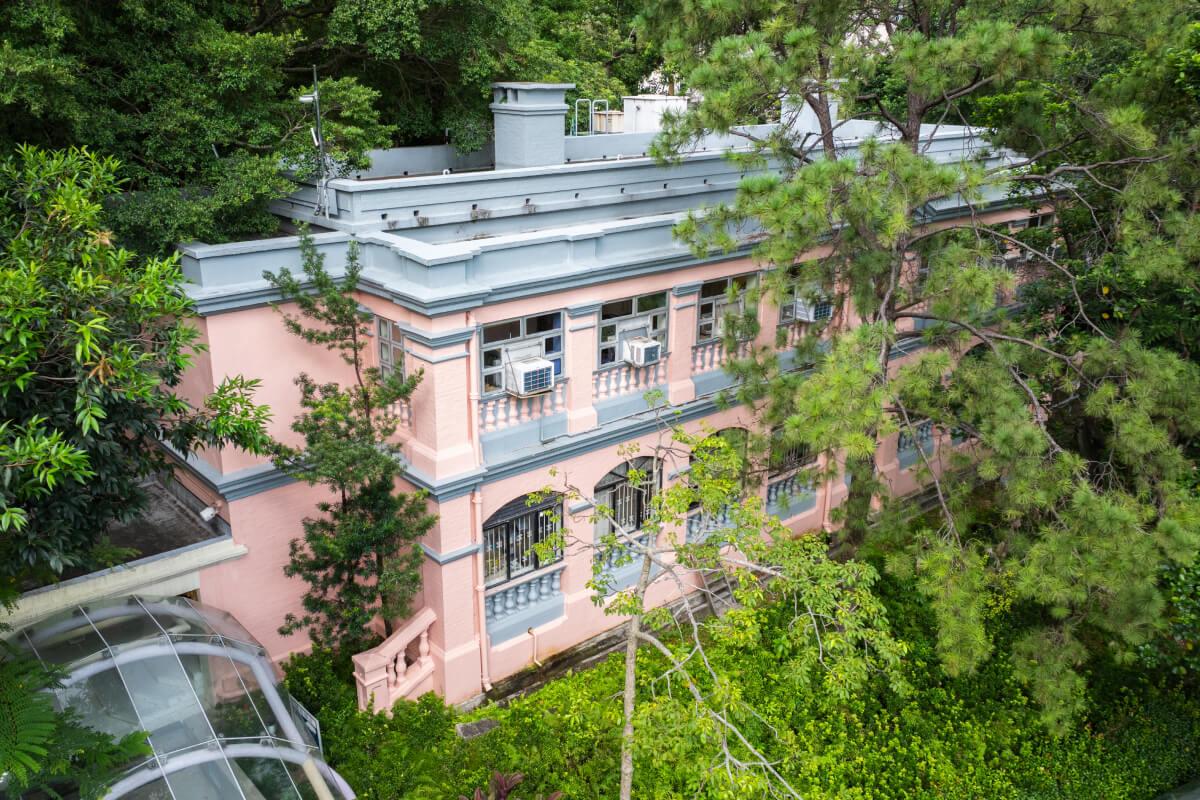
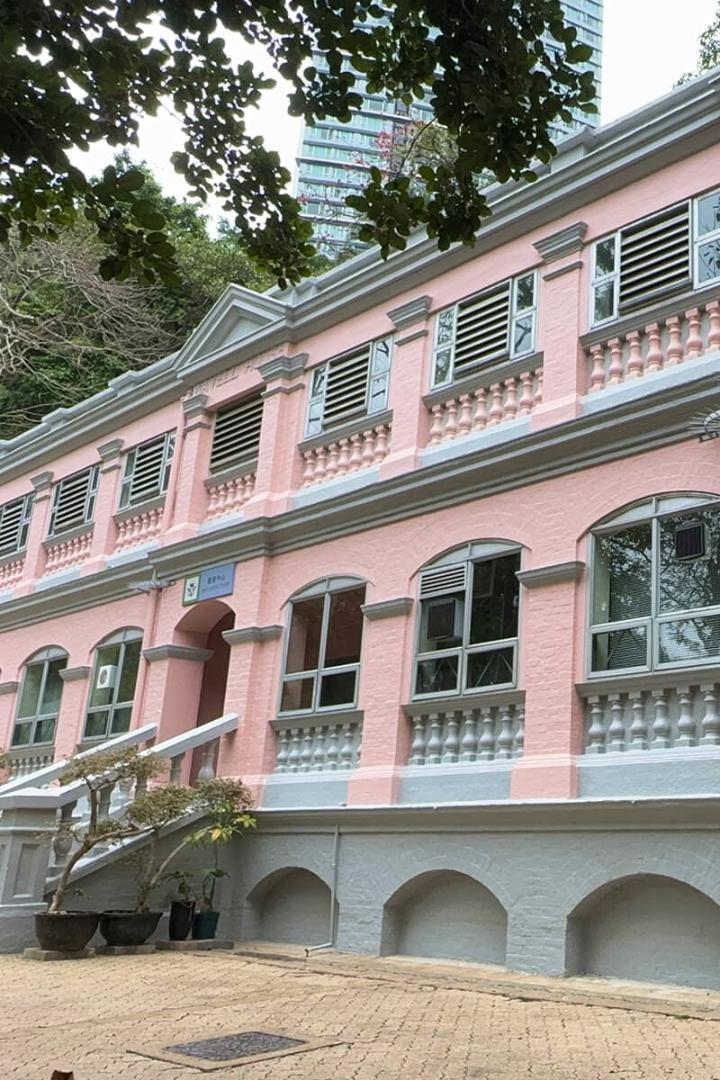
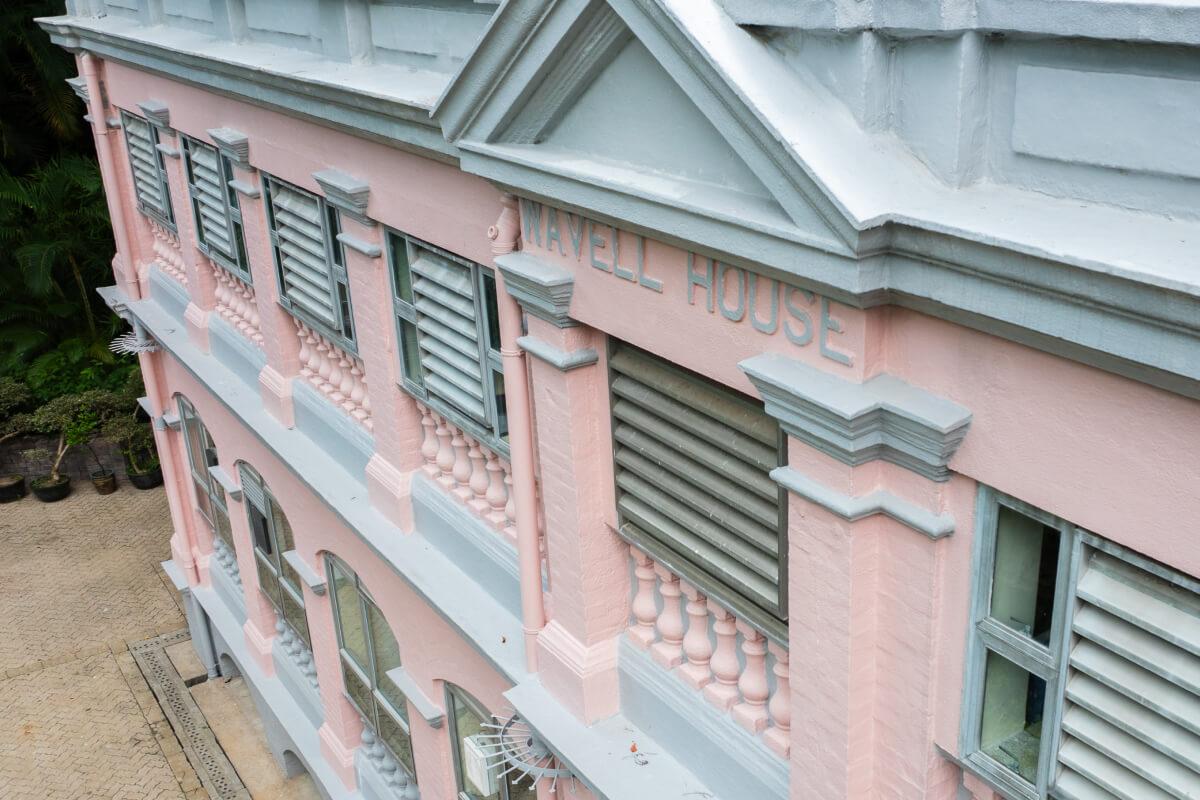
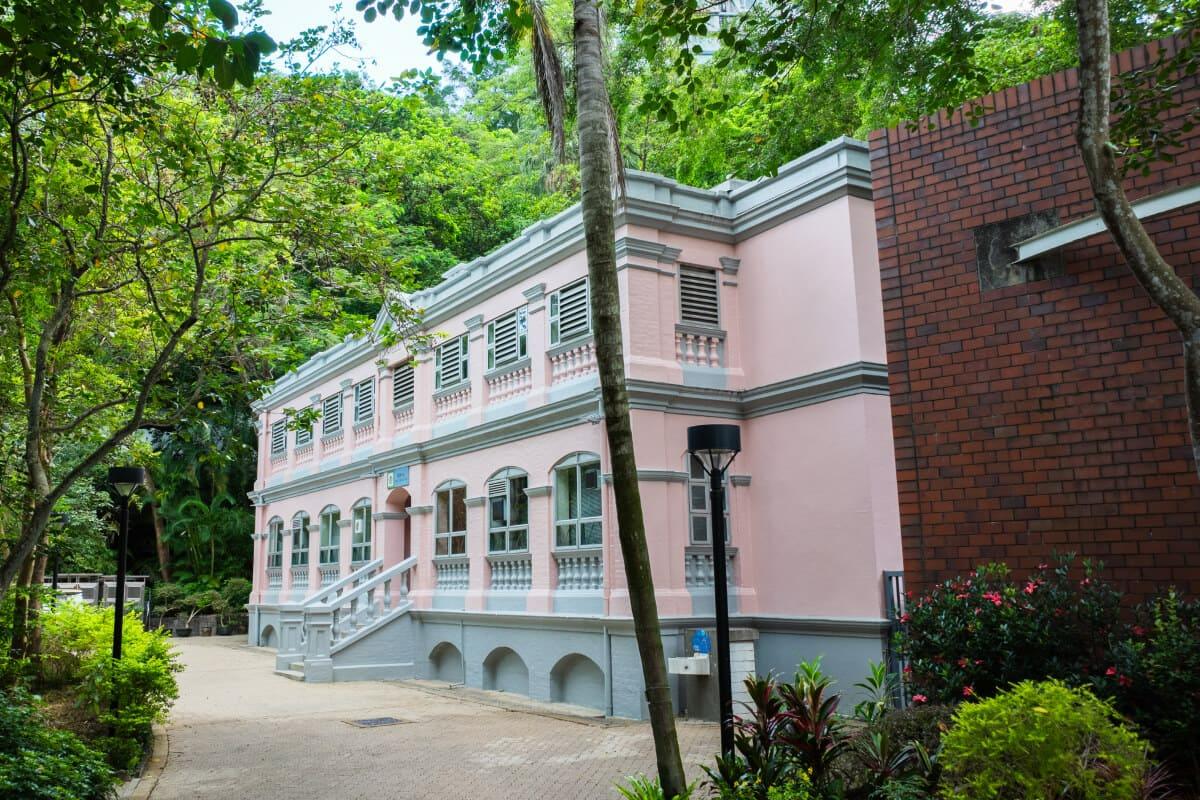
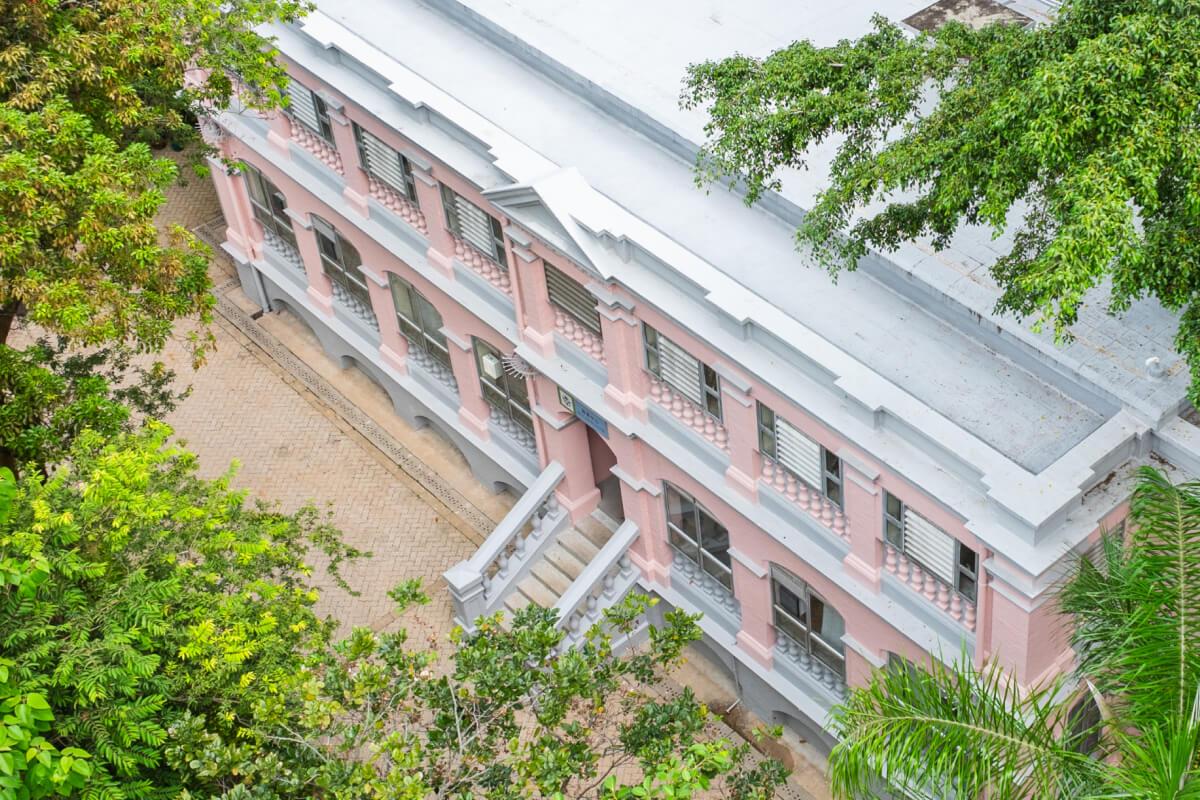
Old Victoria Barracks was constructed from the 1840s and it was one of the first British military compounds in Hong Kong. The buildings which still exist, including Wavell Block, Cassels Block, Rawlinson House, etc., used to serve as quarters. In 1979, part of the Victoria Barracks was converted into the Hong Kong Park. Wavell Block is now used as the Education and Support Centre of Hong Kong Park Aviary.
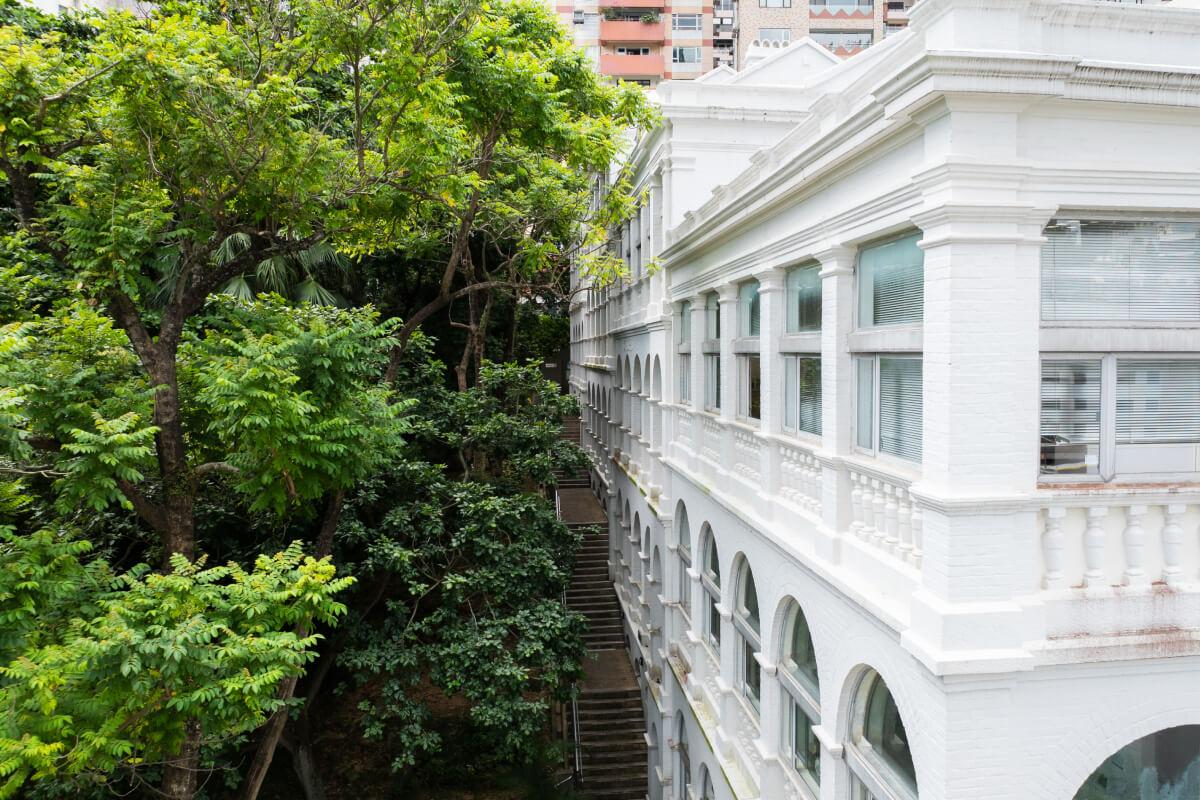
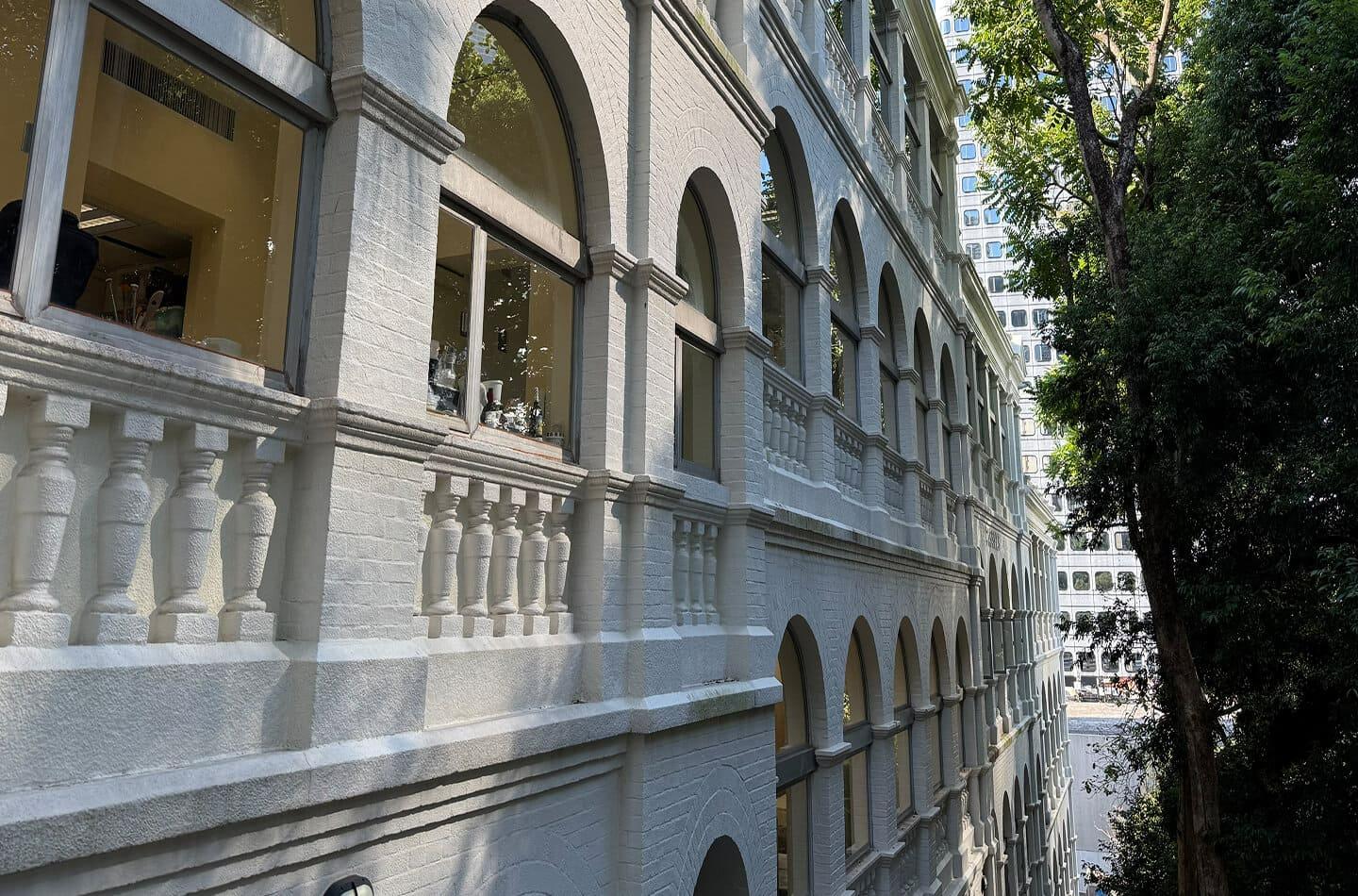
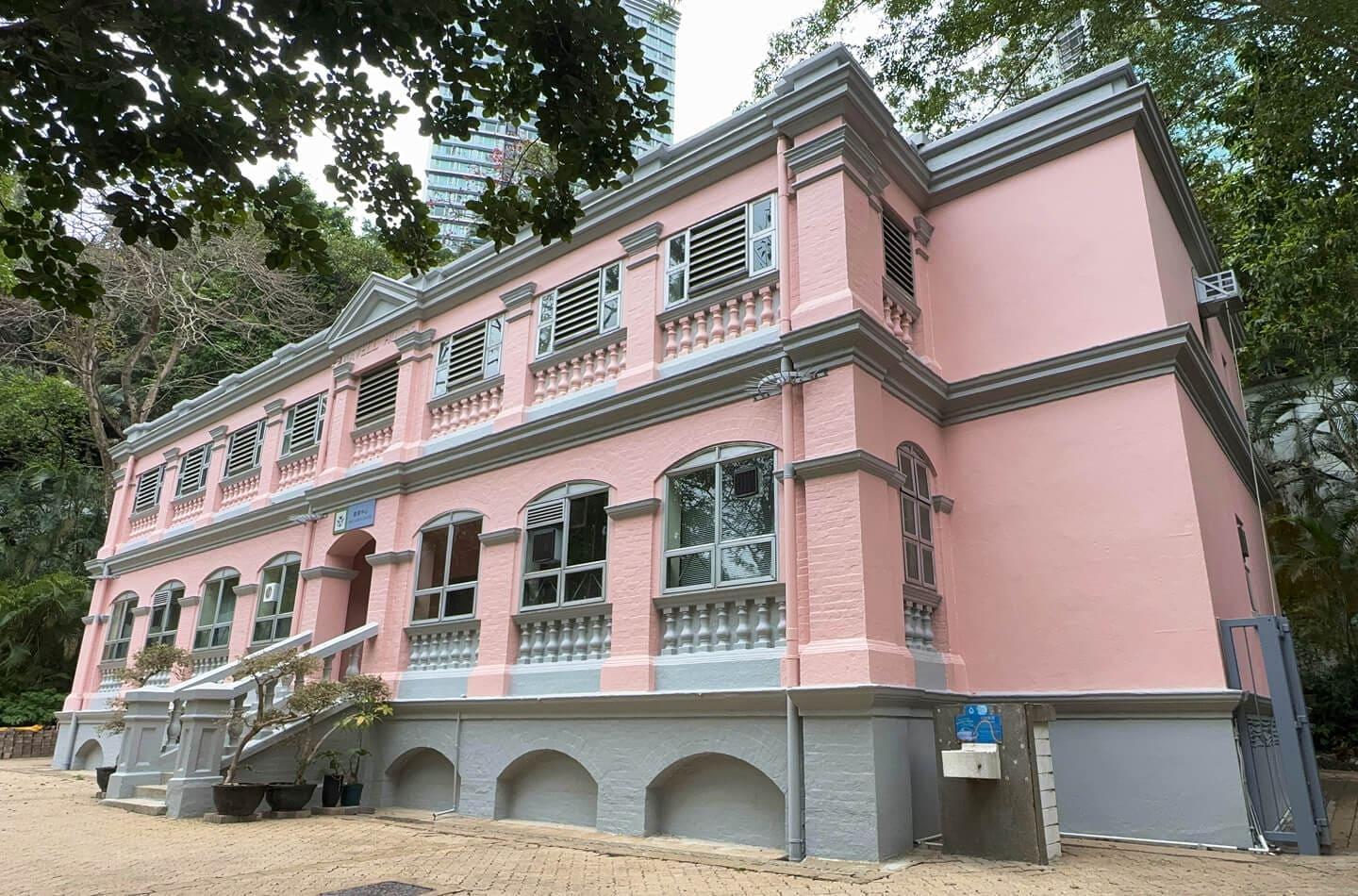
Wavell Block was built in the early 1900s. The building is two-storey high with open verandahs on the ground floor and first floor, (now enclosed with windows). It features classical architectural elements, including urn-shaped balustrading, moulded string course, capitals to columns and cornices and a triangular central pediment, etc.
Wavell Block was accorded a Grade 1 status by the Antiquities Advisory Board on 18 December 2009.
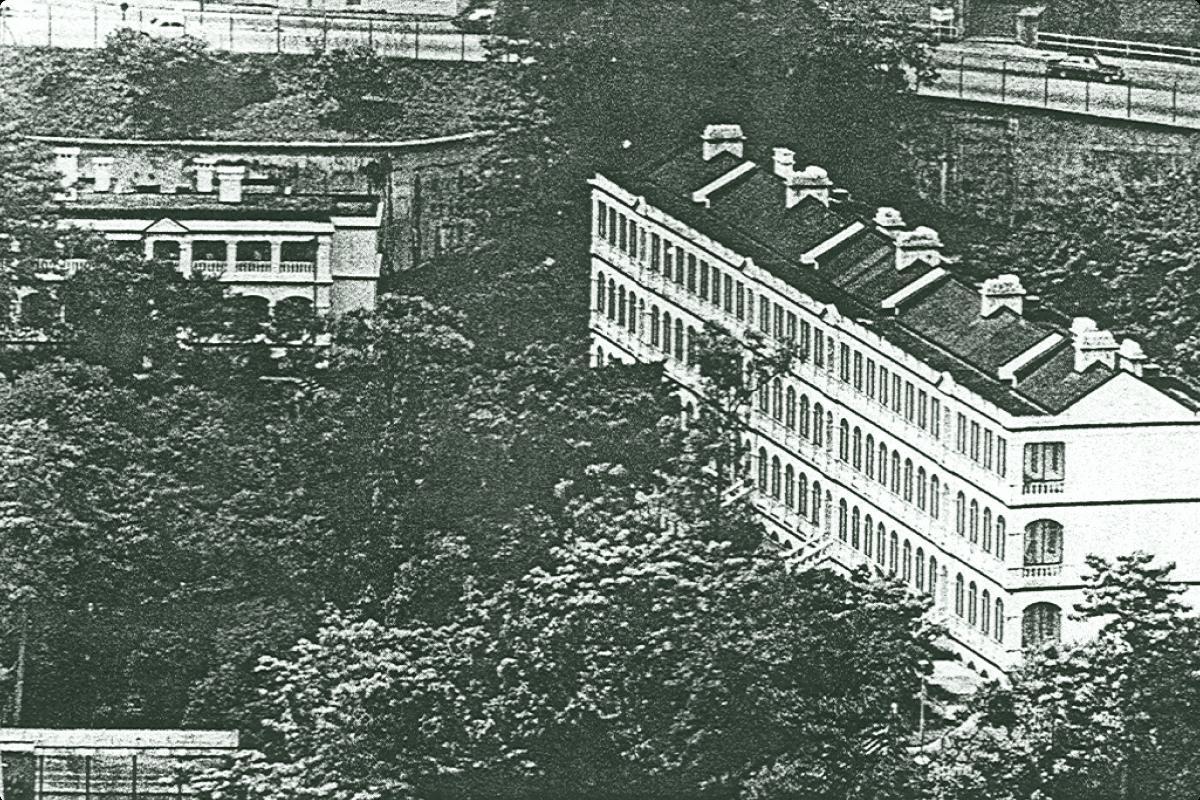
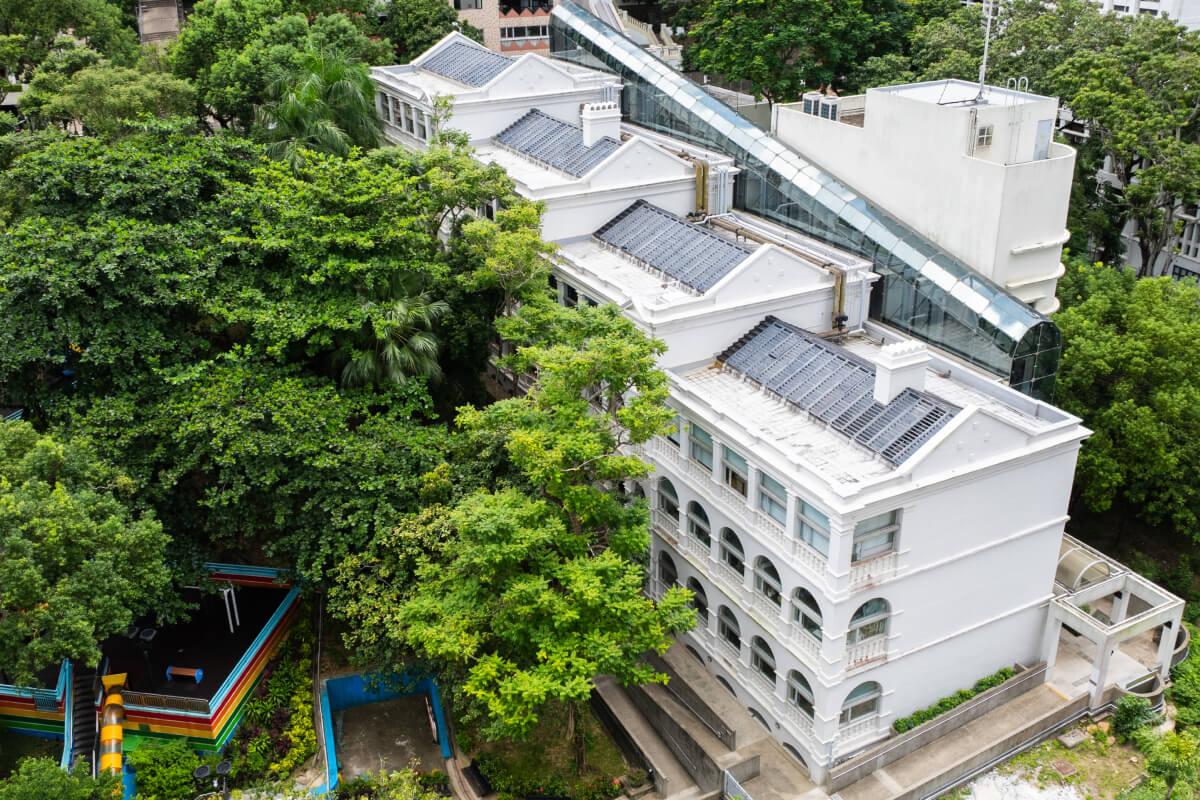
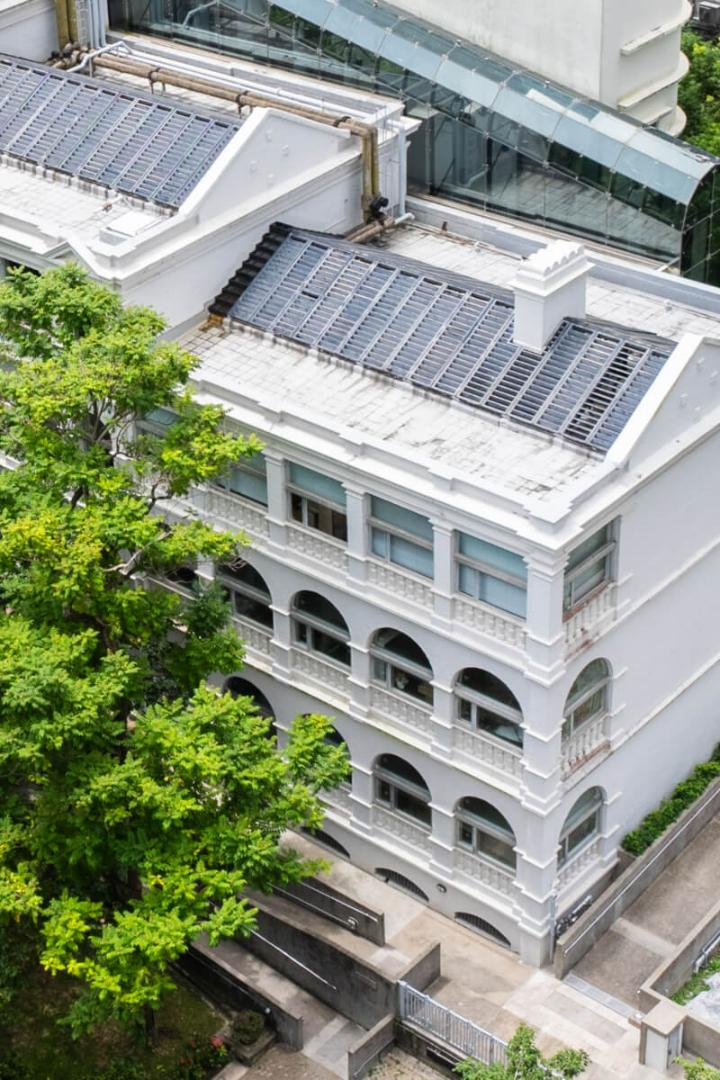
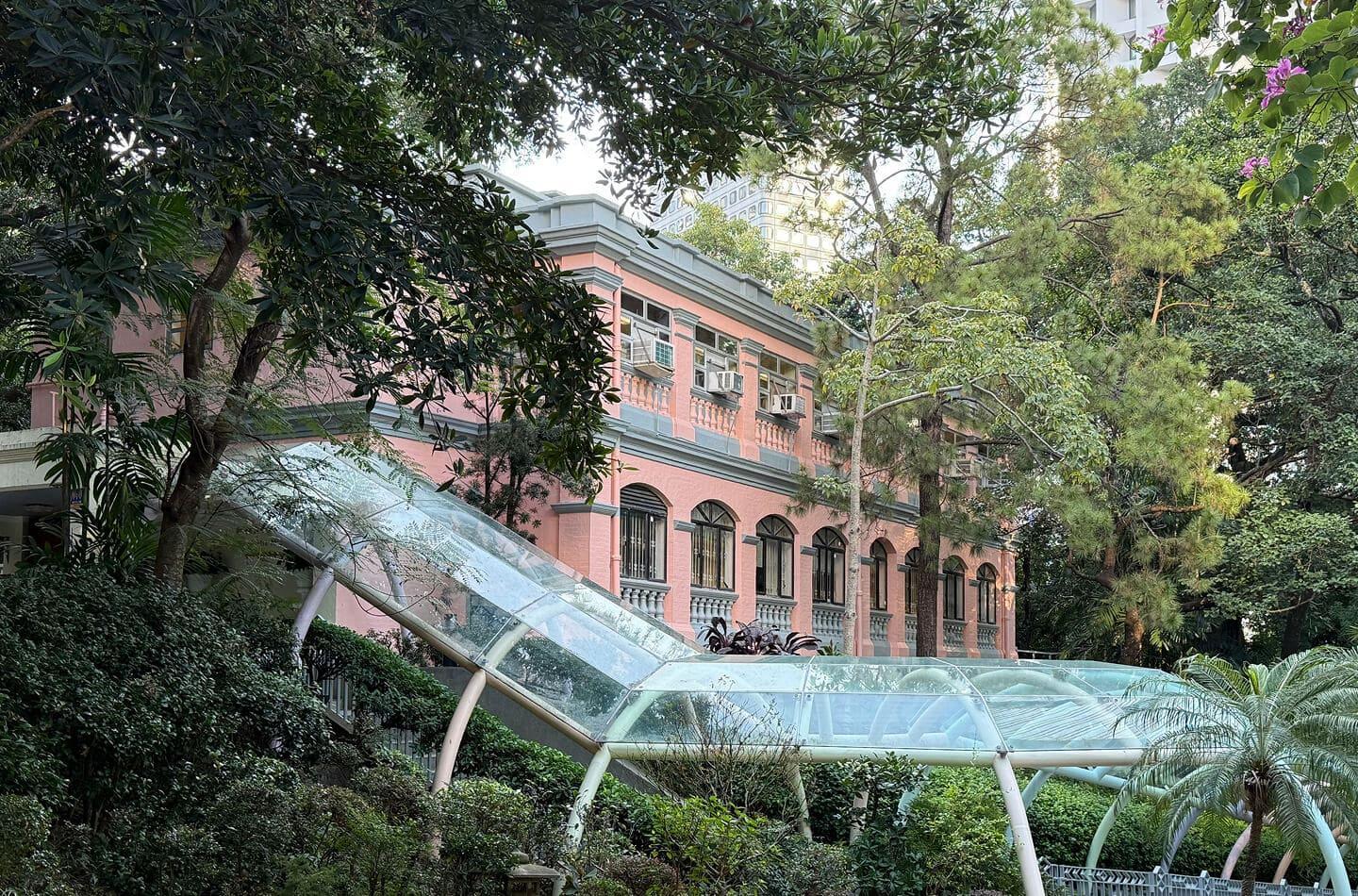
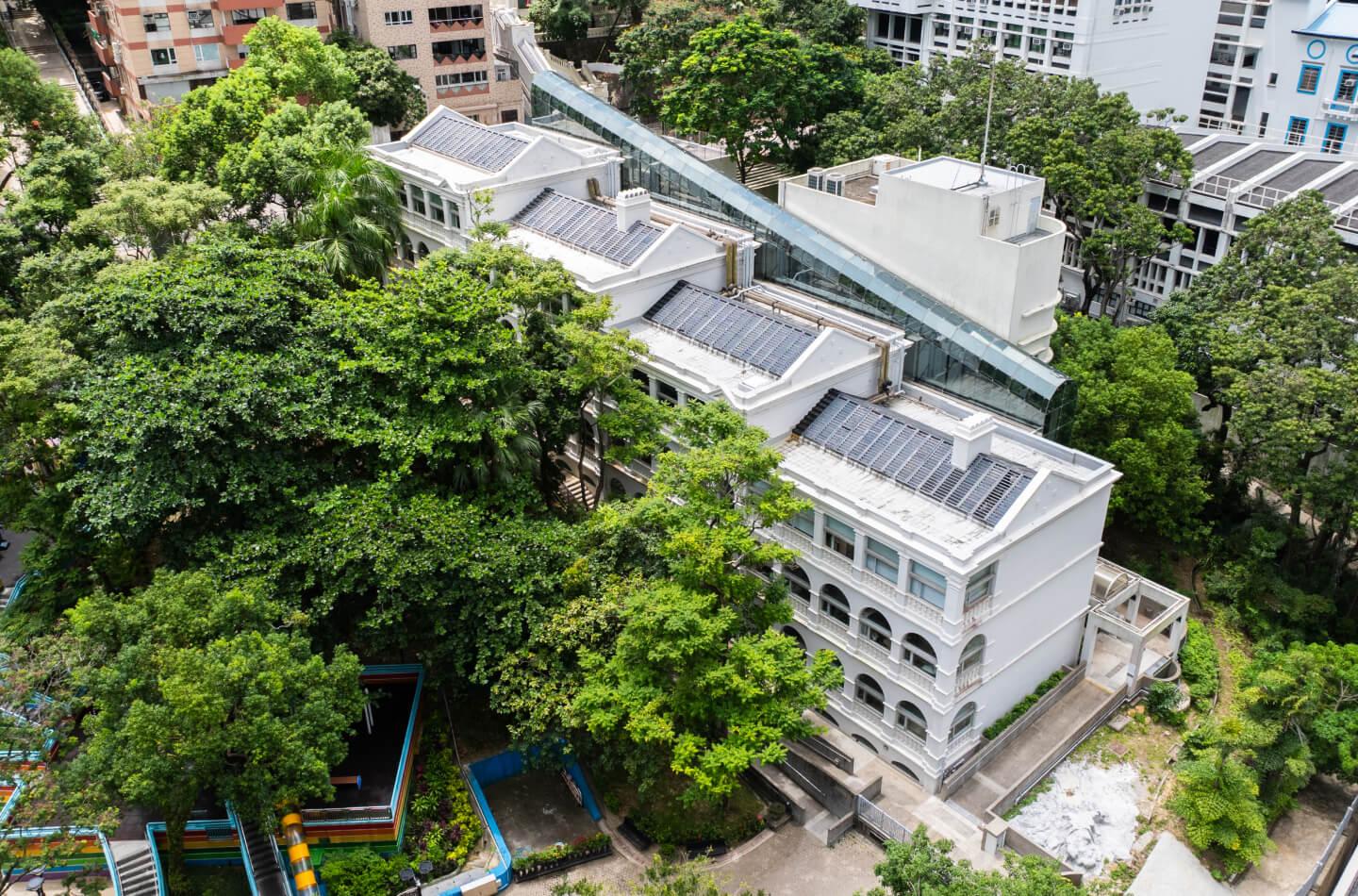
Located at the top of Hong Kong Park, the Hong Kong Visual Arts Centre (vA!) is housed in Cassels Block, which was built in the first decade of the 20th century as an extension of the British Army's Victoria Barracks to provide married quarters for officers. The barracks were handed over to the government and incorporated in the Hong Kong Park project in 1985. A new wing with a glass canopy was added when Cassels Block was converted into vA!. The Centre was opened in 1992.
Constructed in a cascade down the hillside, the Grade I historic building originally comprised four three-storey quarters with a brick, limewashed façade and a triangular gable in an ancient Greek style between the blocks. The east and west sides featured open colonnaded verandas typical of the Edwardian Classical Revival style.